
How We Work
A year in the vineyard. Six chapters — from the first frost to the last barrel. What we do, what we deliberately don't do, and why.
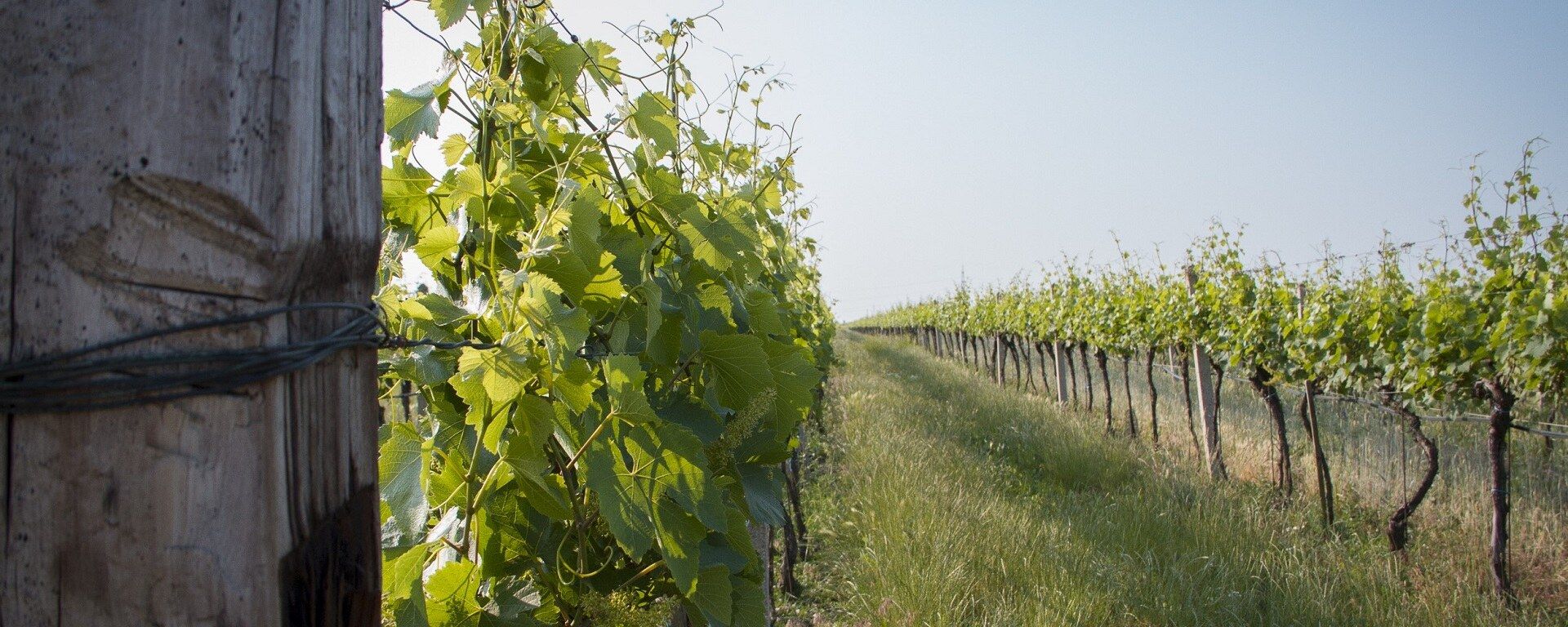
The whole year
Soil
Pure gravel. The most difficult starting point you could choose.
We're located in the Steinfeld, which means: gravel, as far as you dig. A soil that holds hardly any water, is naturally low in humus, and whose surface is largely covered with fist-sized stones.
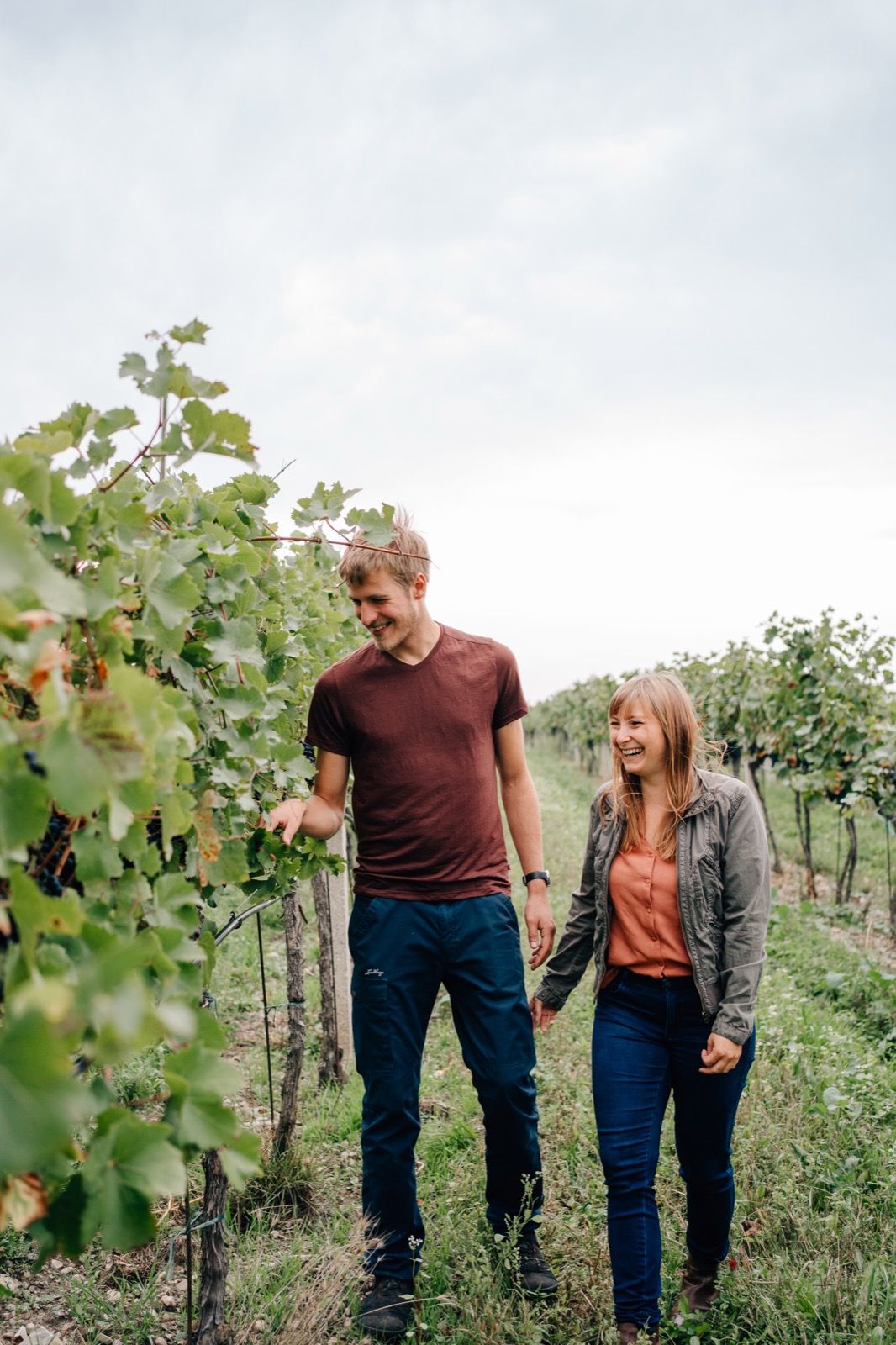
January to August
Vineyard
Pruning in winter. Tying in spring. Canopy management in summer.
Forty days in winter, vine by vine. Hans decides for each vine — which shoots stay, which are removed, how the load is built up.
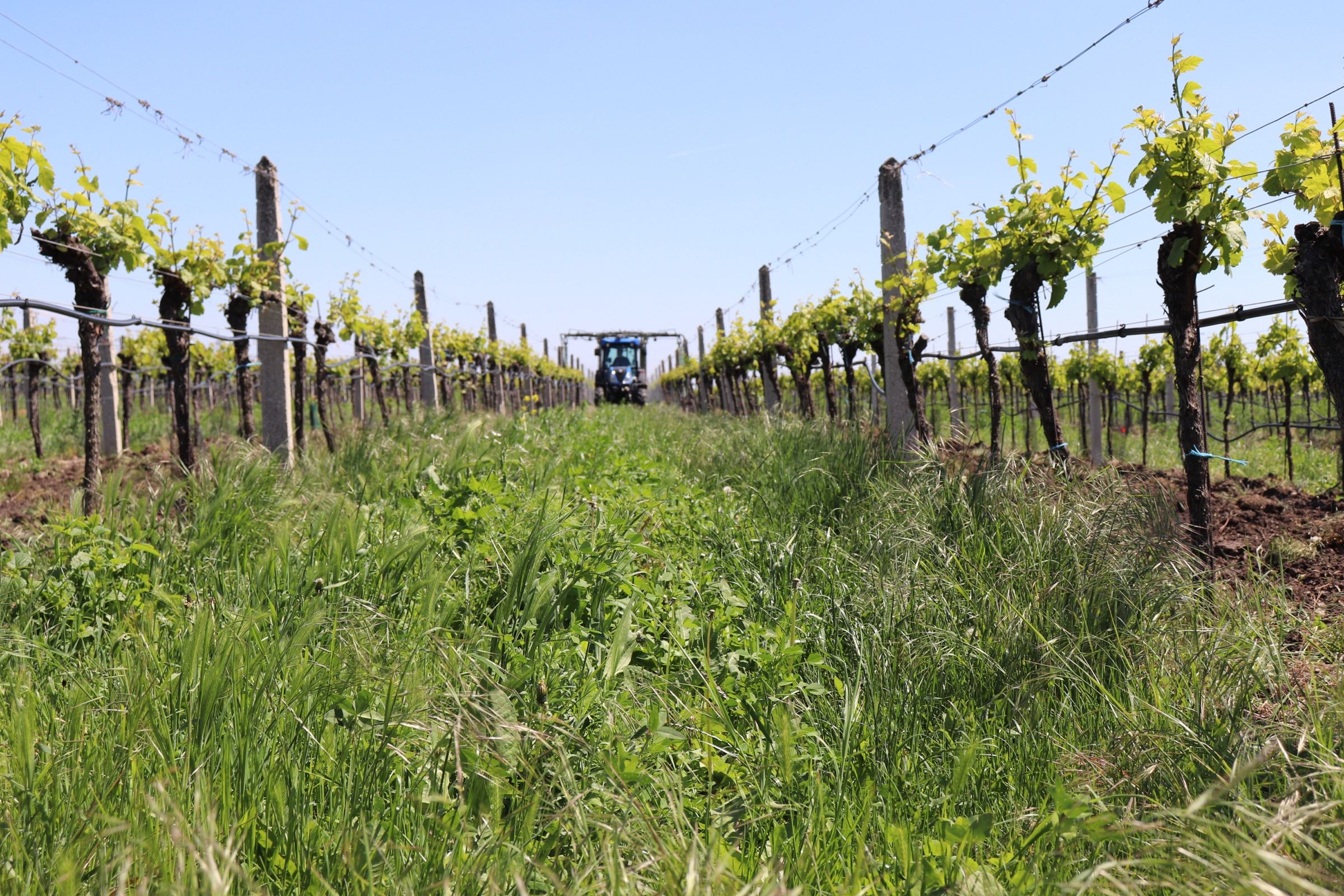
April to August
Plant protection
The subject no one wants to talk about. For us, it's where most of the quality comes from.
Instead of spraying to a fixed schedule, we check the weather and disease pressure daily. Every treatment is logged: date, product, quantity, weather conditions, reason for treatment.
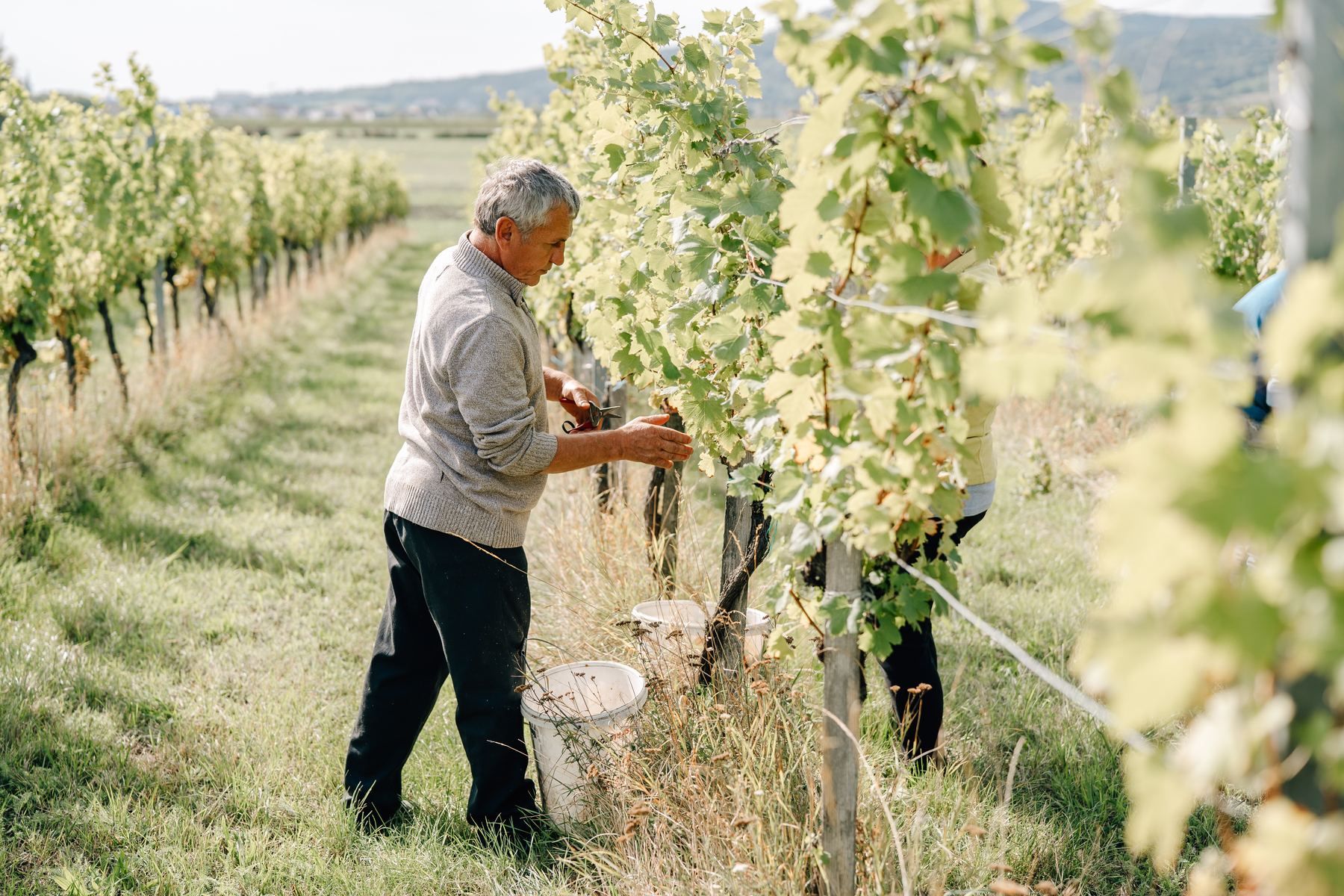
September and October
Harvest
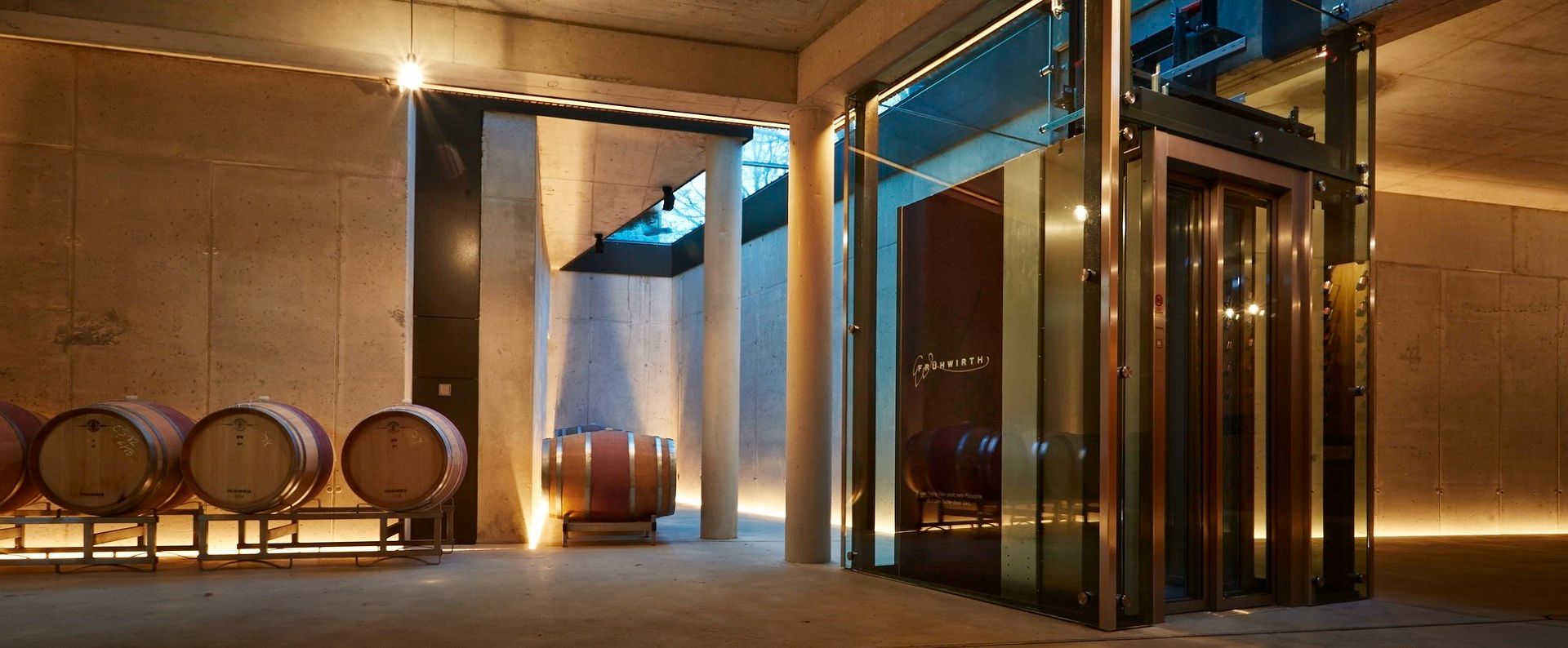
Hand harvest, selection at the harvest trailer, cooling in the cellar. Three steps, no compromise.
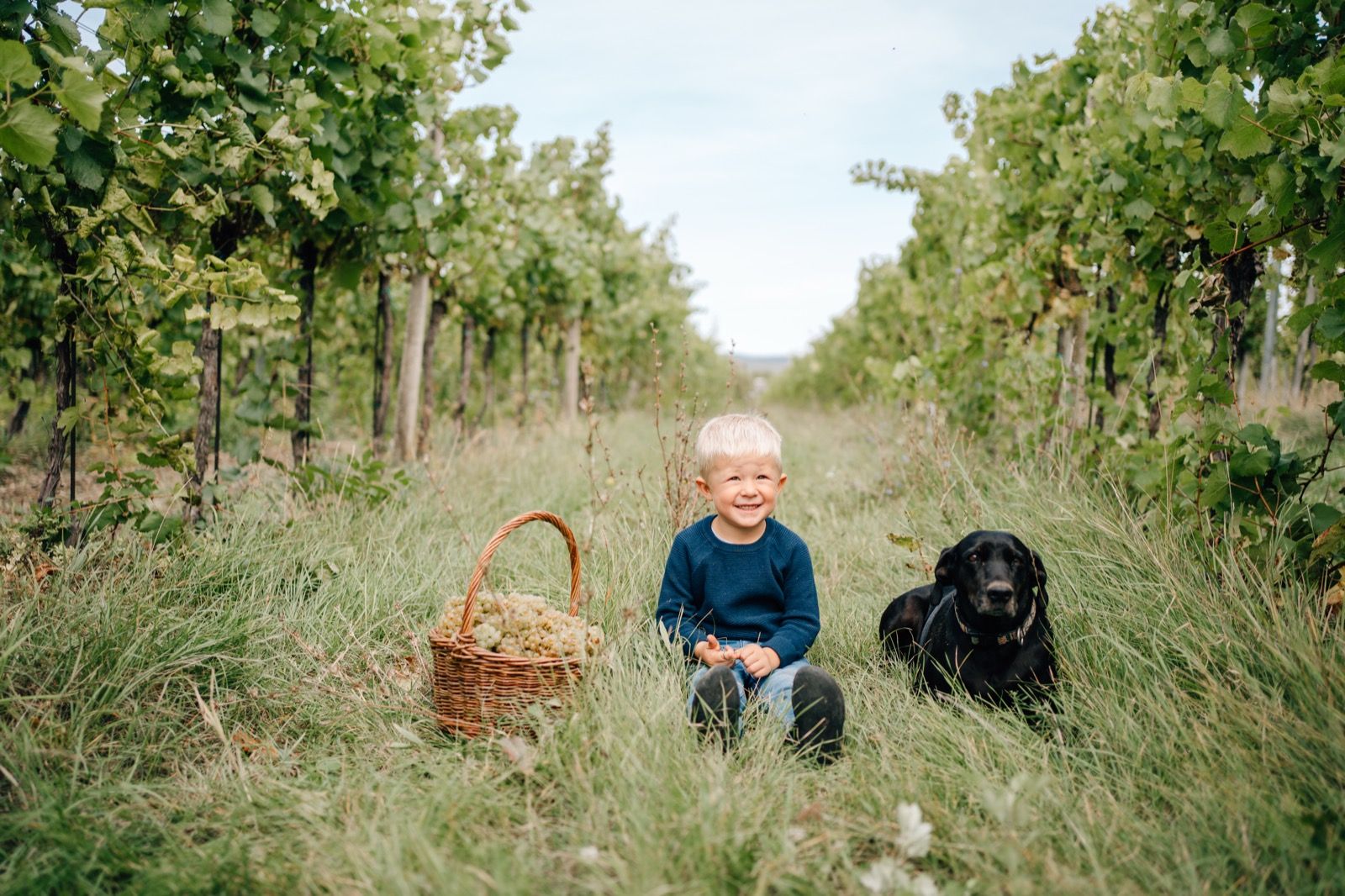
95 per cent of our grapes are picked by hand, across 25 hectares. With secateurs and bucket, vine by vine. We start at dawn, because the grapes are cool then.
September to July
Cellar
From the must to the bottle. And a different logic for each wine line.
A yeast that has been fermenting for four days is more alive than a freshly prepared one, in which half the cells lie dead in the packet. And because the yeast is neutral, you taste the vineyard, not the yeast.
The whole year
Sustainability
Lighter bottles. Solar power. Box returns. No offsetting.
In 2022 we switched from 550 g to 410 g per bottle — the lightest standard bottle that still looks like wine.