
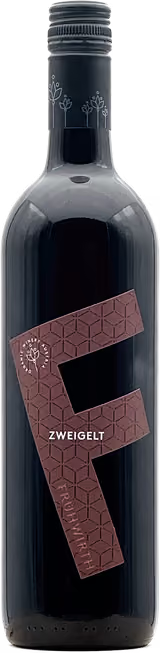
Red wine · Niederösterreich · Reserve line
Zweigelt reserve 2021
Powerful, full body, dark cherry aromas.
WinnerBiosphärenpark Wienerwald 2025
+11 more- Grape variety
- Zweigelt
- Vineyard site
- Gestein, Teesdorf
- Alcohol
- 13.6 % Vol.
- Residual sugar
- 1.0 g/ldry
- Acidity
- 5.6 g/l
How it tastes
powerful, full bodydark cherry aromas
Sweetness1.0 g/l · dry
Body13.6 % Vol.
Acidity5.6 g/l
Awards (12)
Biosphärenpark Wienerwald · Lower Austria State Wine Awards · Thermenregion Wine Awards · AWC Vienna · Challenge Millésime Bio · Falstaff · Organic Wine Award International
Biosphärenpark Wienerwald · Lower Austria State Wine Awards · Thermenregion Wine Awards · AWC Vienna · Challenge Millésime Bio · Falstaff · Organic Wine Award International
2025
- WinnerBiosphärenpark Wienerwald
- Gold, 3rd placeLower Austria State Wine Awards
- GoldThermenregion Wine Awards
- FinalistLower Austria State Wine Awards
2024
- DAC TrophyThermenregion
- Gold, 2nd placeThermenregion Wine Awards
- GoldLower Austria State Wine Awards
- GoldAWC Vienna
- SilverChallenge Millésime Bio
2023
- Top 100Thermenregion
no year
- 91 ptsFalstaff
- 87 ptsOrganic Wine Award International
Site
Ried Gestein, Teesdorf · Niederösterreich
Ried Gestein, Teesdorf · Niederösterreich
Ried Gestein in Teesdorf. Batch 2021: 1.600 l.
Certificates

Bio Austria. The stricter Austrian organic guideline. Certified since 2019, conversion signed in 2016.
EU organic. Baseline standard, checked by accredited bodies.
Vegan. No animal-derived aids used in the cellar.
Values
Harvest 05.10.2021 · Ripeness at harvest 21 °KMW
Harvest 05.10.2021 · Ripeness at harvest 21 °KMW
- Origin
- Niederösterreich
- Harvest
- 05.10.2021
- Ripeness at harvest
- 21 °KMW
- Sulphur
- 39/60 mg/l (free / total)
- Energy value
- 313 kJ / 76 kcal per 100 ml
- Alcohol
- 13.6 % Vol.
- Residual sugar
- 1.0 g/l
- Acidity
- 5.6 g/l
- Inspection number
- N 20853/23
Shipping
Delivery within Austria: free from € 150 order value, below that € 14.90.
Delivery within Austria: free from € 150 order value, below that € 14.90.
- Packaging unit: Box of 6 (0.75 l) or box of 12 (0.375 l).
- Minimum order quantity: 6 bottles.
- Delivery within Austria: free from € 150 order value, below that € 14.90
- Delivery to Germany: € 19.90 up to 31.5 kg, above that on request.
- Delivery routes: around ten per year to the west and south of Austria.
- Discount for collection in Teesdorf.
Winemaking · Reserve line
The destemmer plucks the berries off rather than threshing them, and a hose pump moves the mash into the press without crushing it.
The destemmer plucks the berries off rather than threshing them, and a hose pump moves the mash into the press without crushing it.
The destemmer plucks the berries off rather than threshing them, and a hose pump moves the mash into the press without crushing it.
Instead of sulphuring the must, we work with must yeasts. The whole mash passes through a tube heat exchanger to below 15 °C. That cool, it can stand for four to twelve hours. After pressing we stir up the must again and again for six hours.
Fining is done with pure potato protein: our cellar works one hundred percent vegan. We don't use flotation, but let everything settle in the cold room instead.
Fermentation is done with a single neutral sparkling wine yeast, which we prepare at the start of harvest and then pass on from tank to tank. It's neutral so you taste the vineyard, not the yeast.
After fermentation the wine stays on the skins for ten to twenty days. Then it is pressed. After two days of settling it goes straight into the barrel.
Depending on the variety, 20 to 80 percent new barrels are used: more for full-bodied varieties such as Merlot, Cabernet and Syrah, less for Pinot noir and St. Laurent. The vintage also plays a role.
We don't do malolactic fermentation during the alcoholic fermentation but afterwards in the barrel, over the first winter. The wine lies on the fine lees while it happens. Often it isn't finished until February, sometimes not until May. Only then do we sulphur for the first time. That saves a considerable amount of sulphur.
The wine stays on the fine lees in the barrel until shortly before bottling.
Downloads
Data sheet A4 (PDF) · Official notice (PDF) · Barcodes: 0,75 l bottle, 0,375 l bottle · Back label (PDF)
Data sheet A4 (PDF) · Official notice (PDF) · Barcodes: 0,75 l bottle, 0,375 l bottle · Back label (PDF)
- Data sheet A4 — as of 01.10.2026PDF ↓
- Official notice — Test No. N 20853/23Open PDF ↗
- 0.75 l bottle — EAN 9120082711838
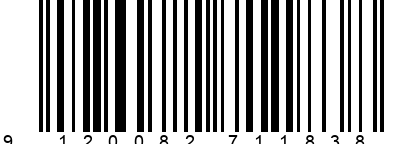
 Barcode ↓QR ↓Back label ↓
 - 0.375 l bottle — EAN 9120082711920
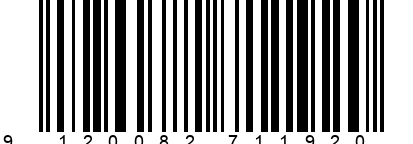
 Barcode ↓QR ↓Back label ↓